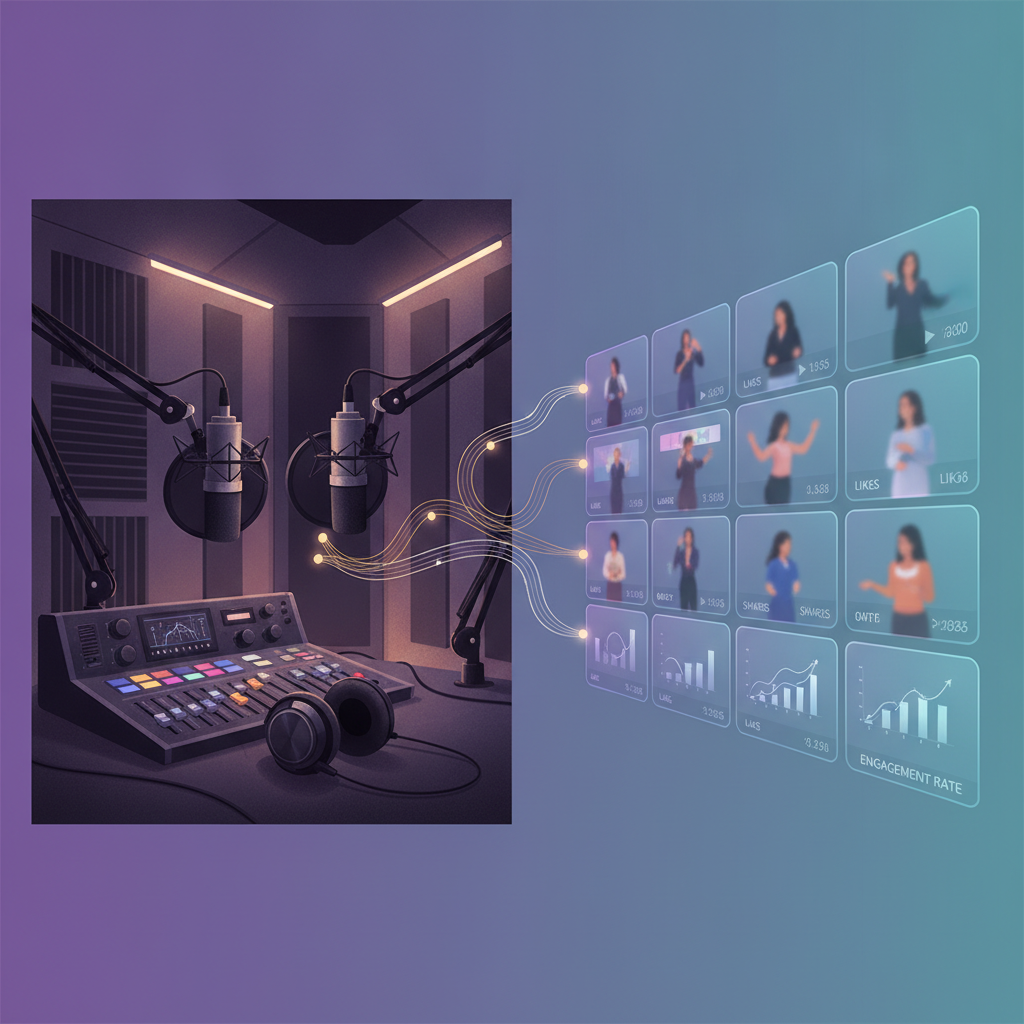
Tana Mongeau built a content operation that turns chaos into cash. With over 1 billion collective YouTube views and multiple active podcast franchises, Mongeau operates a content engine that monetizes unfiltered drama across platforms. For businesses trying to understand how personality-driven content scales, her operation offers concrete lessons in format diversification, sponsorship integration, and audience retention through authenticity.
The Multi-Show Podcast Strategy
Mongeau runs three concurrent podcast properties: Cancelled with Tana Mongeau & Brooke Schofield (which ran from July 2021 through 2025), Not Loveline with Tana and Trish, and Brand Safe. This is not a creator experimenting with podcasting. This is a portfolio approach where each show serves a different audience segment and sponsorship vertical.
The operational advantage: multiple revenue streams from podcast sponsorships without cannibalizing audience. Cancelled leaned into drama commentary. Not Loveline (co-hosted with Trisha Paytas) captured relationship and lifestyle audiences. Each show creates distinct inventory for sponsors while operating within a single content vertical.
For businesses, the lesson is format diversification within a single content vertical. One host, three shows, three sponsor pools. This structure maximizes output per dollar of fixed cost.
The Clip Economy and Cross-Platform Distribution
Mongeau's content appears designed for clipability. In this recent YouTube upload, the structure is pure clip fuel: direct callouts, quick takes, and soundbite-ready commentary. The video opens with a hook delivered in under five seconds ("You guys, we need to talk about Tana Mongeau because she is calling out Dixie D'Amelio"), followed by rapid cuts between subjects every one to two seconds.
The editing rhythm throughout the video alternates between medium cuts (two to three seconds during host narration) and fast B-roll sequences (under one second per shot). Jump cuts remove pauses. Text overlays highlight key quotes. Sound effects punctuate transitions. This is not accidental. This is a format engineered to generate TikTok-ready moments.
Mongeau's content circulates heavily on TikTok, where fans clip and redistribute moments from her podcasts and vlogs. The "wake up" meme, the relationship commentary clips, the drama breakdowns all function as free distribution. Each clip drives traffic back to full episodes, which carry the sponsorships that fund the operation.
Monetization Beyond Ad Revenue
Mongeau's revenue model extends past YouTube ads and podcast sponsorships. She launched Dizzy Wine in January 2022, a direct to consumer product that leverages her brand for recurring revenue. She also maintains an OnlyFans presence, joining creators like Cardi B and Bhad Bhabie in using the platform for exclusive content monetization.
The operational insight: Mongeau treats her audience as a diversified revenue base. Podcast listeners generate sponsorship dollars. YouTube viewers generate ad revenue and affiliate commissions. Wine buyers generate product margin. OnlyFans subscribers generate recurring subscription income. Each platform and product serves a different monetization mechanism, reducing dependence on any single revenue stream.
Her reported net worth sits around $1 million as of 2022, with income primarily from YouTube advertisements and social media sponsorships. For a creator who started on Snapchat and built her audience through unfiltered vlog content, this represents a successful transition from platform-dependent ad revenue to diversified income streams.
The Authenticity-to-Monetization Pipeline
Mongeau's content is aggressively unfiltered. She discusses relationships, drama, and personal struggles without the polish typical of brand-safe creators. This authenticity drives engagement, which drives monetization. Weight-related vlogs and personal transformations have been particularly lucrative, tapping into the before-and-after trend that dominates influencer marketing.
The business model is straightforward: create content that feels raw and unscripted, build audience trust through vulnerability, then monetize that trust through sponsorships and product sales. Mongeau's willingness to discuss topics other creators avoid (public failures, relationship messiness, body image struggles) differentiates her in a crowded market.
Promotional teasers for an upcoming podcast with partner Jake suggest exploration of monetization strategies, with Jake providing insights on app development and merch logistics. This indicates a backend operation focused on converting audience attention into product sales and digital goods, not just passive ad revenue.
What EditorDuel Readers Can Take From This
Mongeau's operation demonstrates three actionable principles for content businesses:
First, format diversification within a vertical multiplies revenue without multiplying production cost. Three podcasts sharing one recording setup and one editing team generate three times the sponsorship inventory. Apply this by launching multiple shows or series formats that serve different audience segments but share production infrastructure.
Second, design content for clipability from the start. Fast cuts, soundbite-ready commentary, visual hooks in the first five seconds, and text overlays all increase the likelihood that audiences will clip and redistribute your content. This organic distribution compounds reach without paid media spend.
Third, treat your audience as a portfolio of monetization opportunities, not a single revenue stream. Mongeau monetizes through ads, sponsorships, product sales, subscriptions, and affiliate relationships simultaneously. For businesses, this means building multiple conversion paths into your content strategy so platform algorithm changes or advertiser pullbacks do not crater your entire revenue model.
Want to build content like this for your business? Post a competition on EditorDuel and get matched with editors who can deliver the fast-paced, clip-ready formats that drive cross-platform distribution and audience retention.