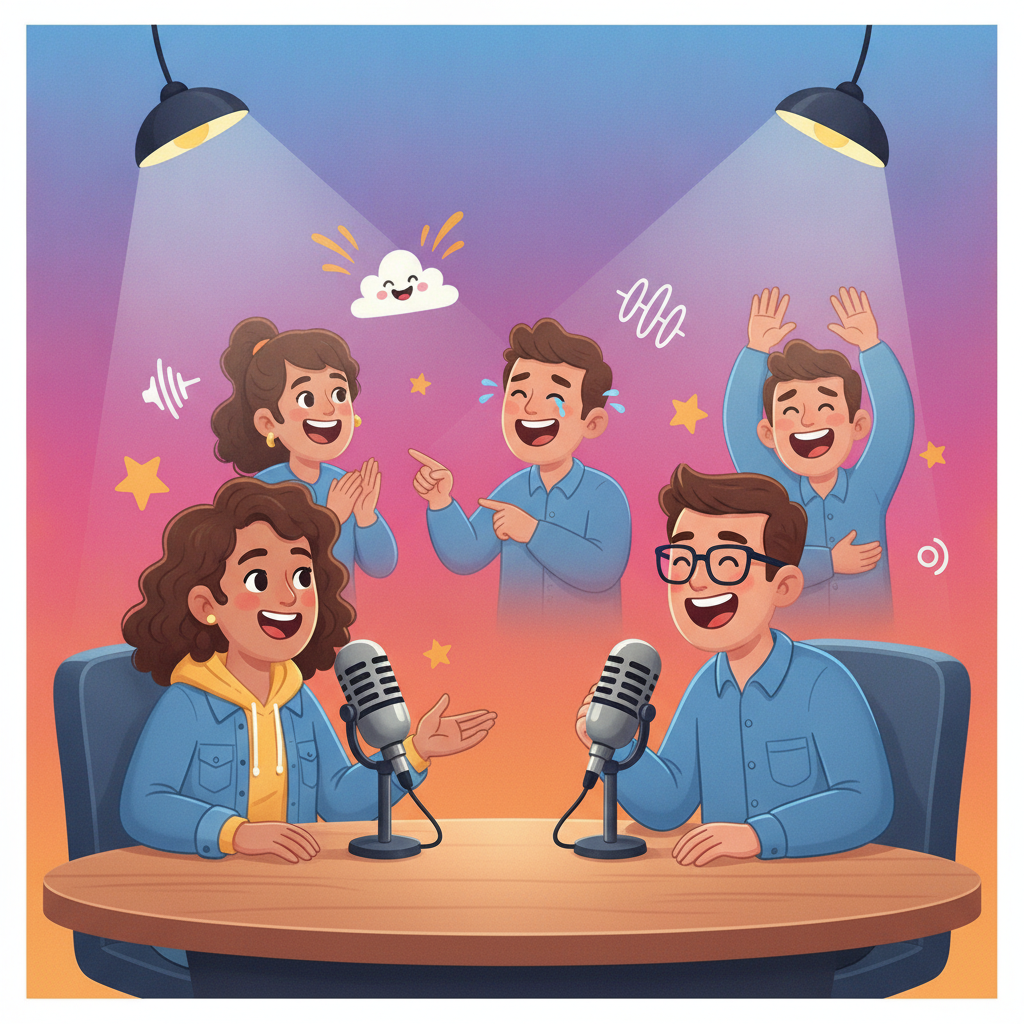
Bobby Lee's Bad Friends podcast, co-hosted with Andrew Santino, looks like two comedians talking at a table. No elaborate sets, no scripted segments, no guest rotation gimmicks. Yet the show generates substantial viewership and spawns viral clips across TikTok and YouTube. The retention mechanics are worth dissecting because they reveal how conversational content can be edited into something far more engaging than the raw recording.
The Conversational Hook Structure
Bad Friends episodes open with immediate dialogue, no preamble. In this clip, the opening is a question and answer about bathroom time at a restaurant, followed by an immediate response. No intro music, no sponsor read, no context setting. The viewer is dropped into the middle of a story already in progress. This creates immediate narrative tension and signals that the pacing will be fast.
The opening structure mirrors how people actually enter conversations at parties or overhear gossip. You catch a fragment mid-story and your brain immediately starts filling gaps and predicting where it's going. Another episode opens with Bobby discussing going down "holes," followed by an immediate cut to his co-host's reaction laugh. The hook is the confusion itself plus the promise that the explanation will be absurd.
This anti-intro approach works because the show's audience already knows the format. They're not tuning in for structure, they're tuning in for Bobby and Andrew's dynamic. The edit respects that by cutting straight to the content.
Cut Rhythm and Reaction Architecture
The edit maintains a medium to fast cut rhythm. In the bathroom story clip, the camera alternates between whoever is speaking, but crucially, it also cuts frequently to the three producers sitting behind the table. These reaction shots serve a retention function. When Bobby delivers a punchline, the cut immediately shows someone else laughing, which cues the viewer that the joke landed and validates their own reaction.
This is borrowed directly from traditional sitcom editing, the laugh track principle, but it works because the reactions are genuine. The producers are not performing for camera, they're actually laughing at the story as it unfolds. The editor's job is to find those moments and insert them at precise beat intervals. In another clip, when Bobby mentions going down mental rabbit holes, the cut shows Andrew smiling before Bobby even finishes the thought. The reaction shot telegraphs that something funny is coming, which primes the viewer to pay closer attention.
The rhythm prevents dead air. Even when a story meanders (which Bobby's stories often do), the cuts keep the visual plane active. Your eye is always tracking a new face, a new expression, a new angle. This creates forward momentum even when the narrative itself is circling.
Text Overlays as Narrative Anchors
Bad Friends uses text overlays more aggressively than most podcast formats. In the "mind holes" episode, text appears on screen at 0:32, 1:07, 1:26, 1:54, 3:34, 3:56, 4:05, 4:23, 6:00, 6:13, 6:45, 7:06, 7:33, and 7:51. These overlays serve multiple functions. Some display Google search results (when Bobby mentions the Kraken or Tijuana sewage), which grounds his tangents in verifiable reality and adds a visual punchline. Others highlight specific phrases for comedic emphasis, like the "SUMMER LOVIN'" text in the bathroom clip.
The overlays solve a core problem with audio-first content: retention drops when the viewer's eyes have nothing to track. By inserting visual information at regular intervals, the edit gives TikTok and YouTube viewers (who are scrolling with sound off or half-attention) a reason to stop and read. The text acts as a chapter marker, breaking the episode into digestible chunks. Even if you zone out during a long story, the next text overlay resets your attention.
This technique also makes the content more clippable. A 60-second segment with three text overlays can stand alone as a viral clip because the overlays provide narrative scaffolding. The viewer doesn't need the full context of the episode to understand the joke.
Anecdotal Escalation and Energy Management
The bathroom clip demonstrates how Bad Friends structures energy across a segment. It opens with the bathroom story (low stakes, relatable), then escalates to a story about a friend who has to "shit-shift" (higher stakes, more absurd), then peaks with a tangent about a coyote with a bird on its head (completely unrelated, maximum absurdity). Each story builds on the last in terms of weirdness, which keeps the viewer engaged because they're anticipating the next escalation.
The edit selects for escalation by trimming pauses, false starts, and low-energy tangents. In the "mind holes" episode, the conversation jumps from mental rabbit holes to new jeans to parking tickets to environmental sewage issues in San Diego. On paper, this should feel disjointed. In practice, the cuts are tight enough that each topic shift feels like a natural conversational pivot rather than a non-sequitur.
The energy peaks occur when new, surprising information enters the frame. When Bobby reveals he got a parking ticket or when Andrew Googles the Tijuana sewage problem, the edit lingers on the reaction shots and inserts the visual evidence (search results, images). These beats function as mini-climaxes within the larger episode arc, giving the viewer multiple payoff moments rather than one big punchline at the end.
What EditorDuel Readers Can Take From This
If you're producing conversational content (interviews, roundtables, commentary shows), Bad Friends offers observable editing patterns worth studying. First, cut your intros. Start mid-conversation and let context emerge naturally. Second, shoot multiple angles and use reaction shots liberally. Even a two-person conversation benefits from a third camera capturing ambient reactions. Third, identify moments where visual information (text, images, search results) can anchor a tangent or add a punchline. Fourth, edit for escalation. Trim the valleys, keep the peaks, and arrange stories so each one is slightly more absurd than the last.
The format works because it respects the viewer's intelligence (no hand-holding, no recap segments) while also respecting their attention span (constant visual movement, frequent payoff beats). You don't need a massive budget or a celebrity guest list. You need tight editing, a clear understanding of where the energy peaks are, and the discipline to cut everything that doesn't serve retention.
Build Content Like This for Your Business
Want to build content like this for your business? Post a competition on EditorDuel and get matched with editors who can deliver.