The Conversational Hook as Retention Architecture
Andrew Schulz's podcast content operates on a structural principle that looks casual but functions with precision: open with a conversational question that names something specific and unfamiliar, then spend the next several minutes unpacking it with escalating visual proof. In a recent Flagrant episode discussing Vantara, the opening five seconds contain no flashy graphics, no rapid cuts, just a medium shot and the line: "We briefly touched on it, is Vantara. Right? Anant Ambani." The hook works because it introduces proper nouns the viewer does not recognize, creating immediate curiosity without revealing the subject. The cut rhythm in the opening minute is slow, alternating between speakers every three to five seconds, establishing a conversational baseline before accelerating.
This is not accidental. Schulz's format relies on the viewer's tolerance for dialogue-driven content, then rewards that patience with timed visual payoffs. The structure consistently follows: conversational setup, descriptive escalation, then B-roll evidence that validates the claims being made. In the Vantara episode, the B-roll drops at the 1:07 mark, overlaying elephant footage and aerial facility shots onto the bottom half of the screen while the speakers continue talking. The cut rhythm accelerates to one to two seconds per shot once the B-roll begins, transforming abstract description into concrete proof. Text overlays identify individuals in the footage, adding credibility without interrupting the conversational flow.
The Visual Evidence Drop as Energy Peak
The energy architecture in Schulz's podcast clips is built around delayed gratification. The Vantara segment spends over a minute on verbal description before introducing any supporting visuals. The speaker describes the scale of the facility, the number of elephants, the veterinary staff, all while the camera simply alternates between two angles of the studio. This creates narrative tension: the claims sound incredible, and the viewer waits for proof. When the B-roll finally appears, it functions as the structural peak. The visuals validate everything that was said, and the faster cut rhythm reinforces the sense of scale and activity.
This pattern repeats across Schulz's content. In a clip responding to Akademiks, the hook is auditory: a robotic voice states a controversial claim in the first five seconds. The video then uses medium to slow cuts, one to five seconds per shot, as Schulz and Charlamagne discuss the statement. The energy peak arrives when screenshots of news articles are overlaid on screen, providing visual evidence while Schulz explains his position. The structure is identical: conversational setup, escalating discussion, timed visual proof.
The format works because it mirrors how people actually process information in conversation. You hear a claim, you ask for details, you see the evidence, you form a conclusion. Schulz's editing does not rush this process. It lets the dialogue breathe, then punctuates it with visuals that make the story feel real.
The Alternating Camera Angle as Conversational Rhythm
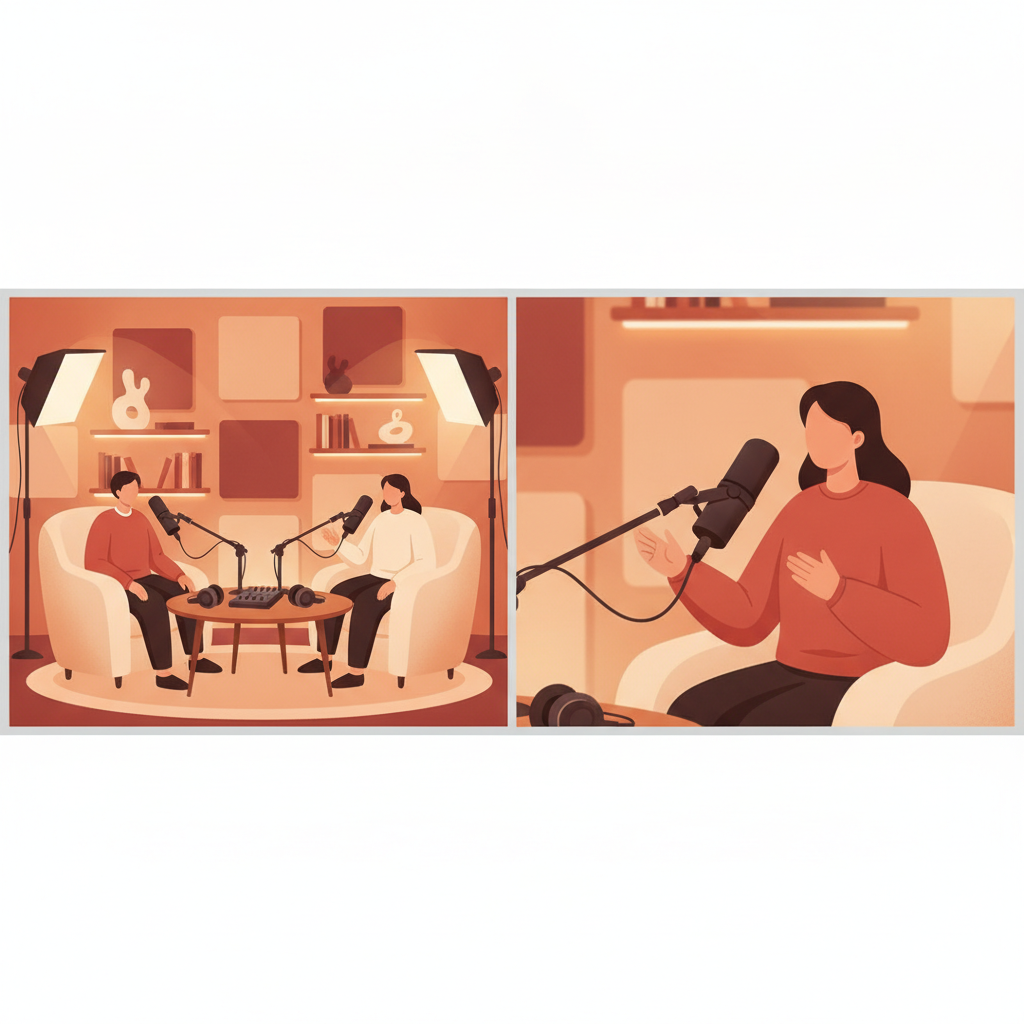
Schulz's studio setup uses at least two camera angles: a wider shot showing both speakers and a tighter shot focusing on whoever is talking. In the Akademiks response, the camera alternates between these angles every few seconds, creating a visual rhythm that matches the back and forth of dialogue. The editing uses subtle zoom-ins on Schulz when he is making a point, drawing the viewer's attention without cutting away from the conversation. J-cuts are used frequently: the audio of the next speaker starts slightly before the visual cut, smoothing the transition and maintaining conversational flow.
This is a retention technique disguised as naturalism. The alternating angles prevent visual fatigue, the zoom-ins emphasize key moments, and the J-cuts keep the audio seamless. The viewer feels like they are watching a conversation, not a produced video, but every cut is doing work to maintain engagement.
In lifestyle content about Schulz, the cut rhythm accelerates dramatically. The opening states, "The first ten seconds decide everything. So let's get straight to it," followed by rapid cuts of Schulz performing stand-up in different outfits and venues. Shots change every one to two seconds, sometimes faster. Text overlays highlight key phrases with dynamic animations. The structure is biographical and fact-driven: career beginnings, podcast success, personal life, financial details, concluding summary. Energy peaks are created by rapid cuts and dramatic music when discussing achievements or wealth. This is a different format, optimized for short-form distribution and quick consumption, but it shares the same principle: structure the information to match the viewer's attention curve.
The Patreon and Clipper Ecosystem
Schulz's content operation extends beyond the podcast itself. Flagrant Media reportedly makes tens of thousands per month through Patreon, building a direct revenue stream from the audience the podcast cultivates. The conversational format is ideal for clipper economies: every segment where Schulz makes a controversial point or tells a compelling story can be extracted and distributed as a standalone piece. TikTok is saturated with Schulz clips, from standup moments on Netflix to podcast roasts about marriage and relationships. Each clip functions as an entry point back to the full episode or the Patreon feed.
As previously analyzed on EditorDuel, Schulz has built a self-sustaining content machine by making his material easy to distribute. The conversational podcast format is inherently clippable: every topic shift, every controversial take, every visual evidence drop can be isolated and shared. The easier the content is to clip, the more distribution it receives for free. Schulz owns his audience through YouTube and podcasts, which allowed him to self-distribute his special Infamous without a traditional distributor. The content format and the business model reinforce each other.
What EditorDuel Readers Can Take From This
First, conversational content does not have to be fast to retain attention. Schulz's podcast clips use medium to slow cut rhythms in the opening, establishing a baseline before accelerating with visual evidence. Businesses producing interview or discussion content can adopt this structure: open with a specific, intriguing question, let the dialogue build, then drop supporting visuals at the moment of peak interest.
Second, the visual evidence drop is a structural tool, not just decoration. Timing the B-roll or screenshot overlay to arrive after verbal description creates a payoff that validates the conversation and rewards the viewer's patience. This works for case studies, product demos, and educational content where the goal is to explain something complex before showing it.
Third, alternating camera angles and subtle zoom-ins maintain engagement in dialogue-heavy content without requiring rapid cuts. The viewer needs visual variety, but that variety can come from angle shifts and framing changes rather than constant scene changes.
Fourth, design content to be clippable. Every segment that can stand alone as a short-form piece extends the reach of the long-form original. Schulz's conversational format naturally produces these moments because every topic shift is a potential clip.
Want to build content like this for your business? Post a competition on EditorDuel and get matched with editors who can deliver.