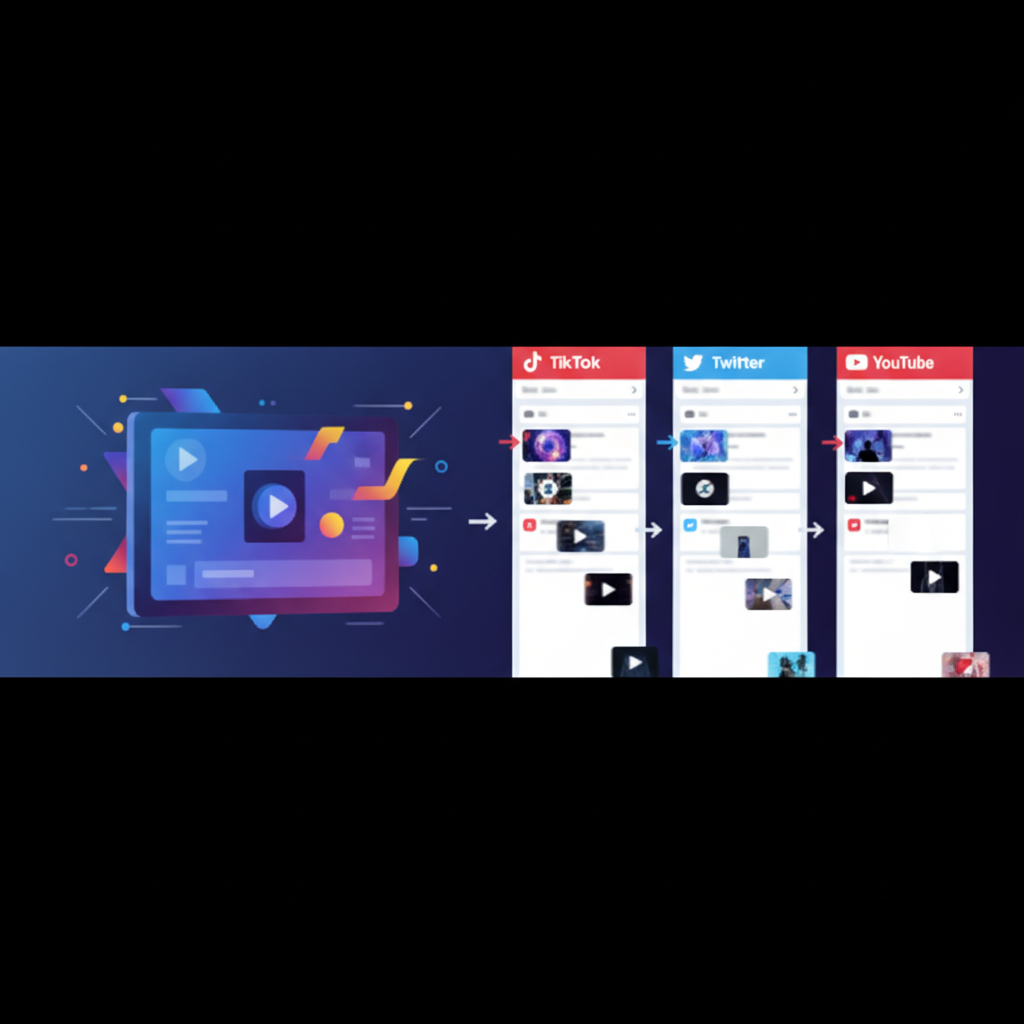
Adin Ross operates one of the most aggressive clipper economies in live streaming. According to a TikTok discussion, his clippers reportedly make over $100,000 per month posting his content across platforms. This isn't passive fan activity. It's a paid distribution network that converts every controversial moment, every celebrity guest appearance, every inflammatory exchange into dozens of clips that saturate Twitter, TikTok, and YouTube within hours of going live.
The system works because Ross generates the raw material constantly. His audience was originally built on NBA 2K wager content, but he evolved into a celebrity interview and reaction format that produces clip-ready moments by design. The August 2024 stream with Donald Trump peaked at 580,000 live viewers and generated over 2.7 million views on YouTube), illustrating the reach his operation can achieve when a single event is clipped and redistributed across every available surface.
Content Velocity Through Distributed Clipping
The clipper model solves a fundamental problem for live streamers: you can't be everywhere at once. Ross streams for hours on Kick, but most viewers encounter him through 30 to 90 second clips on platforms where they already spend time. The clippers function as an unpaid (or in Ross's case, paid) distribution arm, each one optimizing for their own audience's feed algorithms.
In the analyzed video, the opening uses a split screen showing Twitter clips of Ross alongside a reacting streamer. This structure is the ecosystem in miniature: Ross creates the source material, clippers extract the moments, other creators react to those clips, and the cycle repeats. The video employs jump cuts under one second, text overlays highlighting key quotes, and rapid montages of different creators responding to Ross controversies. This editing rhythm mirrors how the clips themselves circulate: fast, dense, designed for maximum information transfer before the viewer scrolls.
Ross has also discussed paying a Twitter clipper to erase damaging clips, revealing that the clipper economy isn't just about amplification. It's about control. When you fund the people cutting your content, you influence which moments get oxygen and which get buried.
Monetization Across Platforms
Ross's income is diversified across streaming, YouTube, sponsorships, subscriptions, merchandise, and appearances. The clipper network feeds all of these. A viral clip on TikTok drives traffic back to his Kick streams. A controversial moment on Twitter generates YouTube commentary videos that link to his channels. Every piece of the system reinforces the others.
His dual income strategy ensures monthly revenue isn't dependent on a single variable. He monetizes his expertise and his controversies simultaneously, treating both as products. The clipper economy is the distribution mechanism that makes this model scale. Without it, his reach would be limited to whoever happens to be watching live. With it, every moment has the potential to become a standalone viral asset.
Controversy as Content Strategy
The analyzed video catalogs multiple Ross controversies: interactions with Kanye West, Playboi Carti, Megan Thee Stallion, involvement in the Kendrick Lamar beef discourse, and an N-word controversy. Each segment follows a hook, setup, payoff structure. The video works because it presents each controversy as a mini-narrative with clear stakes and resolution.
This structure is native to how Ross's content circulates. Clippers don't post full streams. They post the moment where something happened: the exact exchange, the reaction, the fallout. The editing techniques in the analyzed video (split screens showing reactions, B-roll of Ross at events, speed ramps for dramatic emphasis) are the same techniques clippers use to make individual moments feel like complete stories.
Ross's move to Kick, a platform known for targeting high-profile creators with lucrative non-exclusive contracts and superior monetization terms, further supports the clipper model. Non-exclusive deals mean his content can live everywhere simultaneously. The clippers aren't violating platform rules by reposting. They're fulfilling the distribution strategy the deal structure enables.
The Operational Playbook
Ross's system has three core components. First, generate high-density clip-worthy moments through celebrity guests, controversial takes, or reactive content. Second, fund or enable a network of clippers who extract and redistribute those moments across every major platform. Third, convert the distributed reach back into revenue through platform payouts, sponsorships, and audience growth that feeds future streams.
The speed of this cycle matters. The analyzed video shows how quickly criticism and reaction content compounds around Ross. The fast cut rhythm, the constant visual changes, the text overlays making complex narratives easy to follow, all of this reflects an ecosystem optimized for rapid information flow. Ross doesn't need to control the narrative. He needs to ensure his moments are the ones being discussed.
CreatorDB notes that Ross's consistent, on-topic posting focus gives sponsors a predictable environment. The clipper network extends this predictability. Brands know that any sponsored moment will be clipped, redistributed, and seen by audiences far beyond the live viewer count. The reported monthly clipper spend of over $100,000 isn't a cost. It's a media buy that guarantees distribution.
What EditorDuel Readers Can Take From This
The clipper economy model is replicable at smaller scales. If you're producing long-form content (podcasts, webinars, live streams, panel discussions), you need a system for extracting and redistributing the best moments. You can hire editors to create these clips in-house, or you can enable a network of external clippers by making source material easy to access and clip.
The key operational insight is velocity. Ross's system works because clips hit social feeds within hours, not days. If you're producing a weekly podcast and your clips go out a week later, you've lost the window. The content needs to circulate while it's still being discussed.
Second, fund the distribution. Ross reportedly pays over $100,000 per month to ensure his clips saturate feeds. You don't need that budget, but you do need to treat clipping as a core function, not an afterthought. Hire editors who understand platform-specific formats: vertical for TikTok and Reels, horizontal for YouTube, text overlays and captions for Twitter. Each platform has different retention mechanics, and your clips need to be optimized for where they'll be seen.
Third, design for clippability. Ross's content generates moments because he structures it to. Celebrity guests, controversial takes, reactive formats, all of these produce clear narrative beats that work as standalone clips. If your content is a smooth, even-toned discussion with no peaks, there's nothing to clip. Build tension, ask direct questions, create moments where something happens.
Want to build content like this for your business? Post a competition on EditorDuel and get matched with editors who can deliver the clip velocity your distribution strategy requires.